UNESCO estimates that Covid-19 adversely impacted about 1.3 billion learners due to school closures. In Uganda, over 15 million learners were affected as the government enforced the measures to control the further spread of the virus. This did not only impact learners but also their teachers and parents with more families under financial stress and many falling into poverty, and many people were subjected to stress and psychosocial challenges. As schools closed, many young people were subjected to these psychosocial challenges including those resulting from sexual and gender-based violence, poverty as well as lack of access to their teachers for guidance. As the schools reopened at the start of 2022, many of the young people reported back to school with multiple psychosocial challenges only to find that their teachers were equally impacted and they too needed psychosocial support. The entire ecosystem of learning had been impacted.
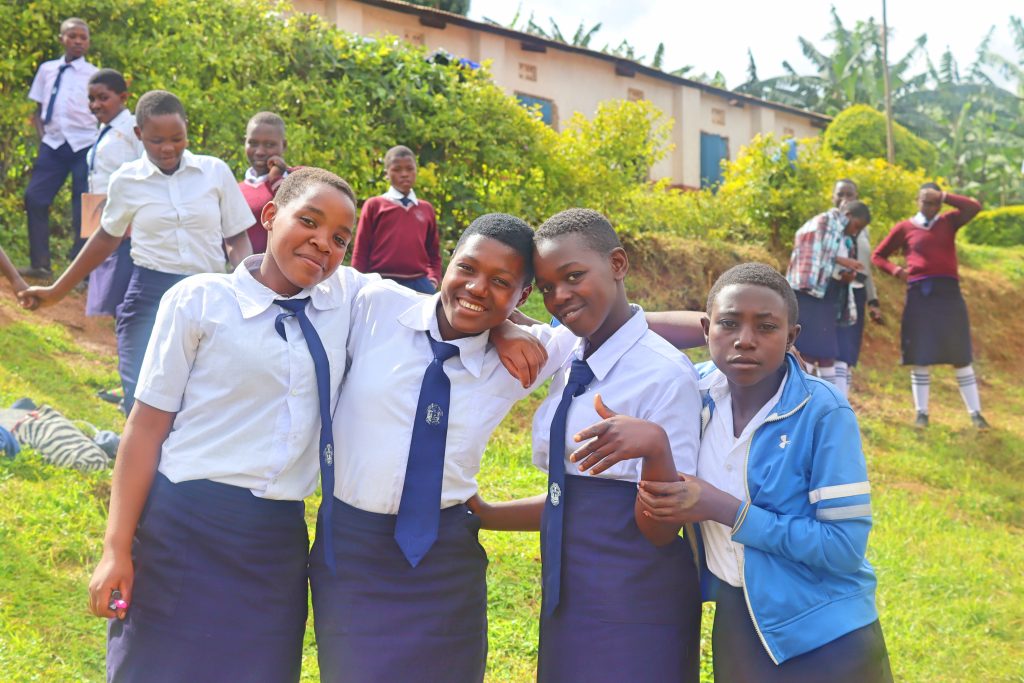
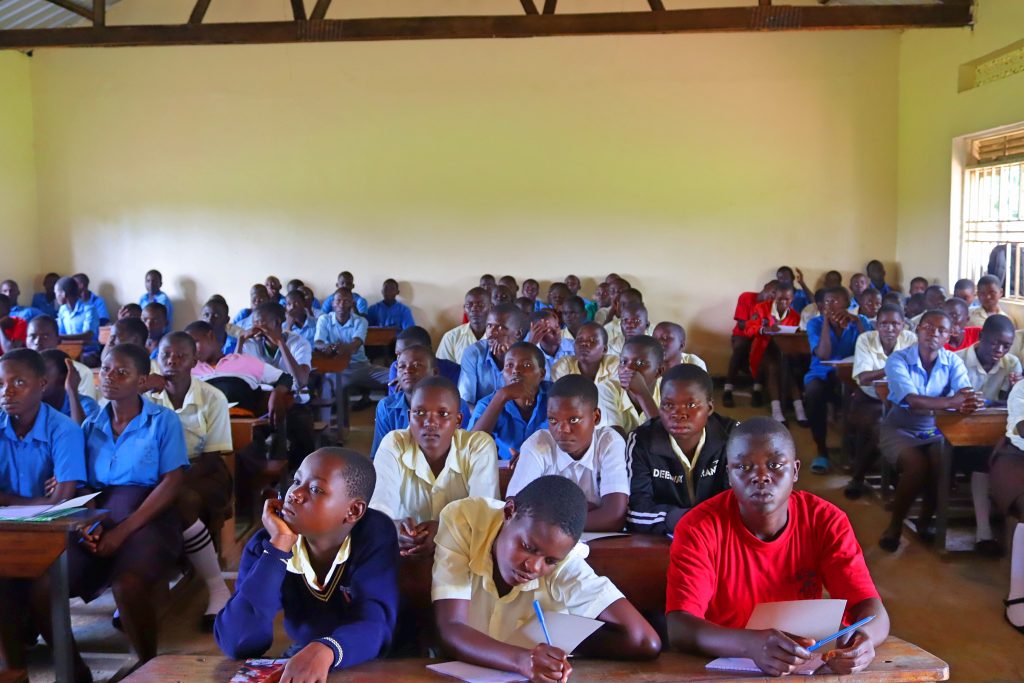
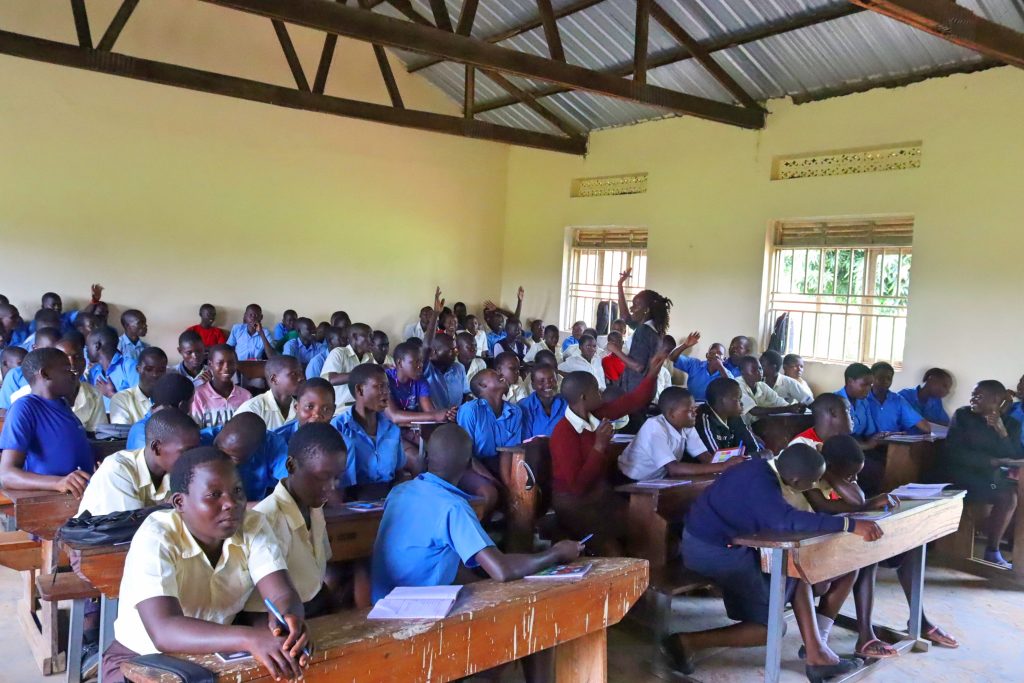
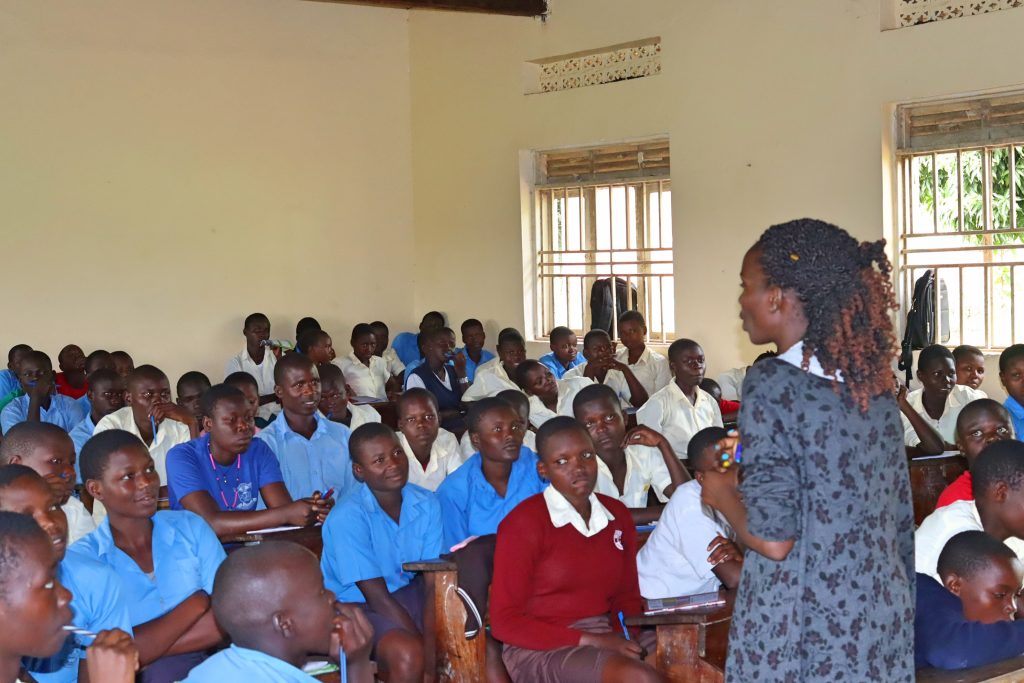
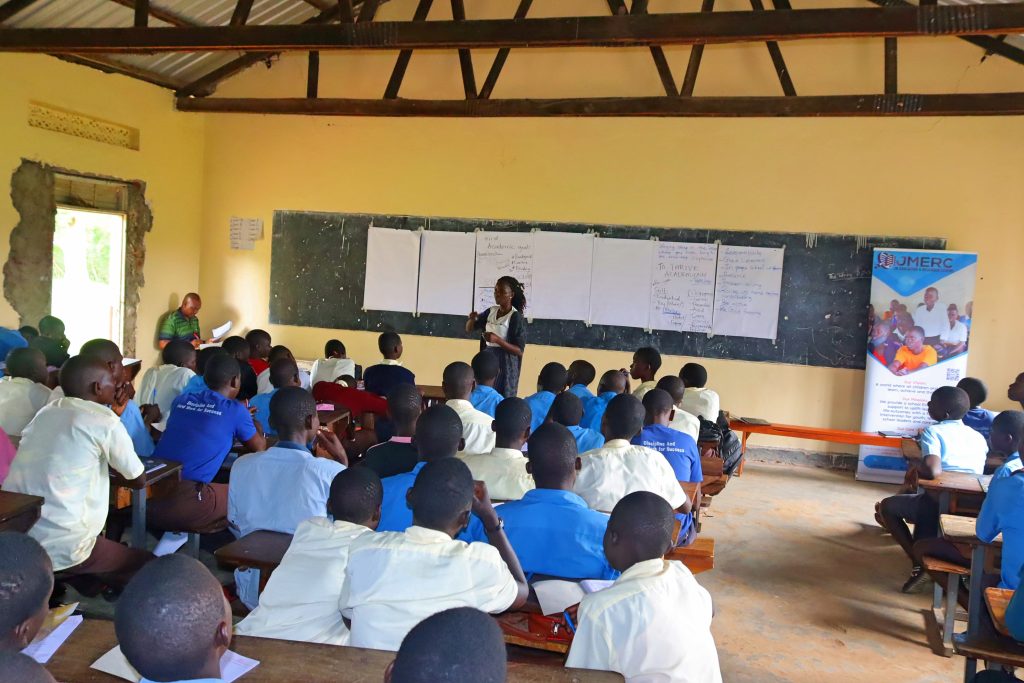
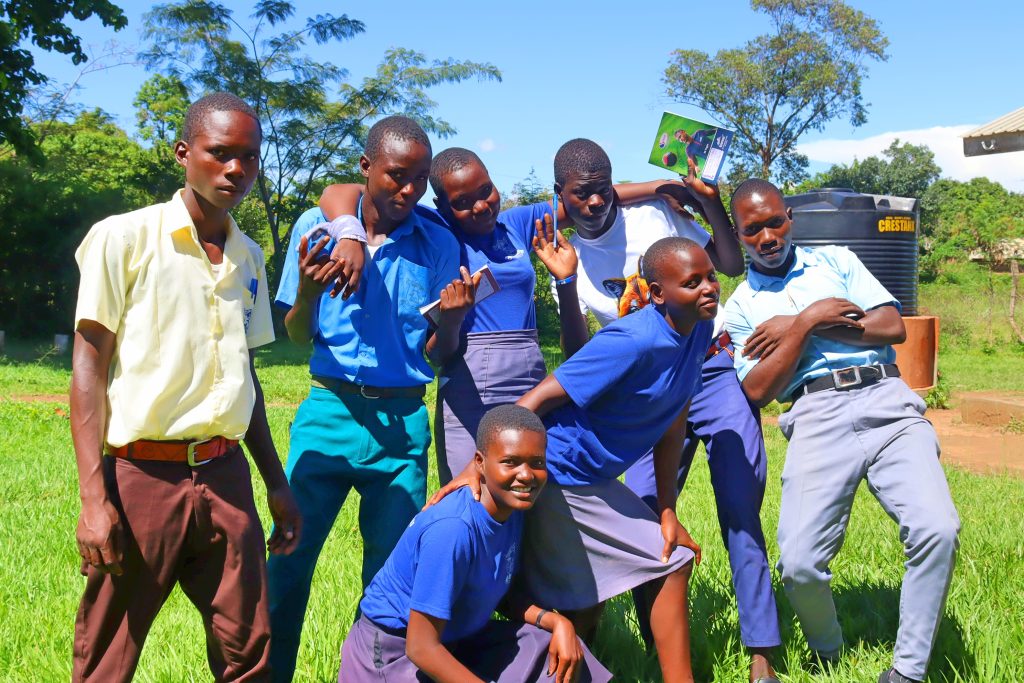
In response to these changes, JMERC provides Social and Emotional Skills (SES) training and mentorship support to secondary school girls and boys. The key skills we focus on are self-awareness, self-management, social awareness, relationship, responsible decision making and leadership skills. We support adolescent girls and boys to recognise and manage their emotions, thoughts, and behaviours effectively in different situations and to achieve their goals and aspirations. This includes the capacities to delay gratification, manage stress, and feel motivation and agency to accomplish personal and collective goals. Our programme enables girls and boys to understand the perspectives of and empathize with others, including those from diverse backgrounds, cultures, and contexts. This includes the capacities to feel compassion for others, understand broader historical and social norms for behaviour in different settings, and recognize family, school, and community resources and supports. We also support them to develop the ability to establish and maintain healthy and supportive relationships and to effectively navigate settings with diverse individuals and groups. This includes the capacities to communicate clearly, listen actively, cooperate, work collaboratively to problem solve and negotiate conflict constructively, navigate settings with differing social and cultural demands and opportunities, provide leadership, and seek or offer help when needed. Finally, we focus on supporting their ability to make caring and constructive choices about personal behaviours and social interactions across diverse situations. This includes the capacity to consider ethical standards and safety concerns and to evaluate the benefits and consequences of various actions for personal, social, and collective well-being.
REQUESTING YOUR SUPPORT
Every person has the opportunity to make a positive change in the life outcomes of the children in Africa — no matter how big or small. Whatever amount you can give, or time you are willing to dedicate, know that your contribution makes a huge difference in the lives of others.
Your generous support brings us ever closer to our goals. You can donate, champion this cause and or invite others to join us to transform the lives of children in Africa.